Everything you need to extend your lease

At Extension.Lease, we provide specialist lease extension valuations in the City of London together with expert advice on freehold purchase and collective enfranchisement across the Square Mile, including the Barbican, Golden Lane, Farringdon, Smithfield, Tower Hill and the Portsoken area.
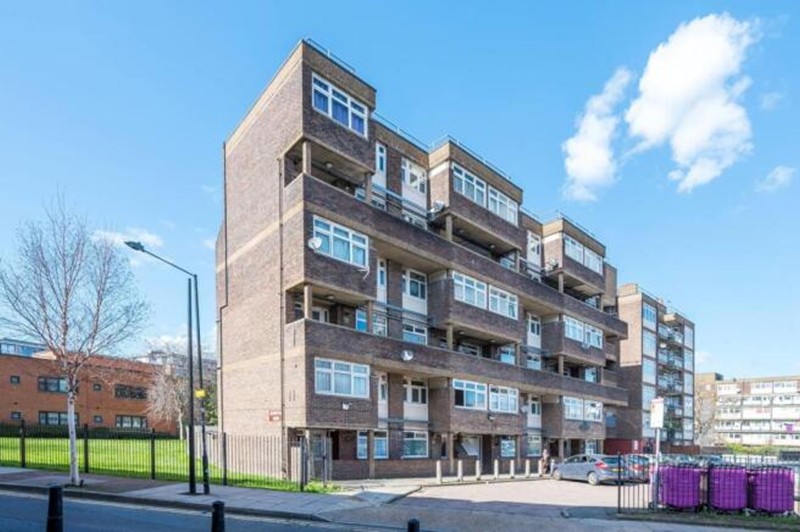
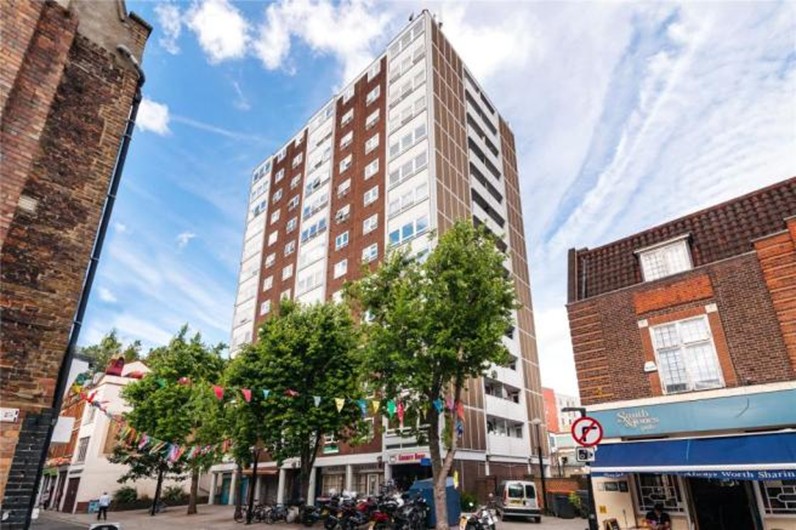
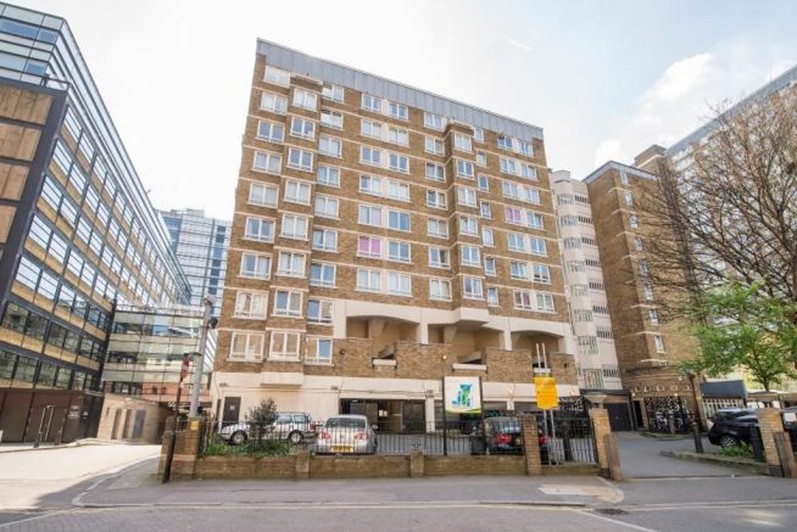
We act for leaseholders across the City’s distinctive residential stock – from the Barbican Estate (Cromwell, Shakespeare and Lauderdale Towers) and Golden Lane Estate to purpose-built blocks around Middlesex Street and Mansell Street, and warehouse-style conversions near Smithfield. We have particular experience advising on former City of London Corporation estates where many leases were originally granted during the 1980s Right to Buy era, including Petticoat Tower, the Middlesex Street Estate, Avondale Square (City-owned stock), Mansell Street Estate, Portsoken Street blocks, the William Blake Estate (Golden Lane), and flats within the wider Barbican and Golden Lane estates that were sold under Right to Buy in the 1980s. Many of these 1960s–1980s developments are now reaching key lease length thresholds where specialist valuation advice is critical.
If you are extending your lease under the Leasehold Reform, Housing and Urban Development Act 1993 (Section 42 Notice), it is essential that the premium is calculated accurately – particularly as leases approach or fall below 80 years unexpired, when marriage value becomes payable. We provide detailed statutory lease extension valuations, premium negotiation strategy, tribunal-ready reports and advice on relativity and marriage value, together with negotiation support when dealing with the City of London Corporation and other institutional freeholders. Every valuation is supported by carefully analysed comparable evidence drawn from the City’s highly specific residential market, ensuring premiums are accurate, defensible and fully reflective of Square Mile conditions.
We handle lease extensions for properties in Shakespeare Tower, Seddon House, and Willoughby House within the Barbican Estate. These distinctive flats are highly sought-after and require careful valuation due to their architectural significance.
In Blackfriars and Queenhithe, we act on lease extensions for apartments in Sir John Lyon House, Queens Quay, and Huxley Court, which offer Thames views and proximity to the City’s business district.
St Paul’s lease extensions include boutique developments such as St Paul’s Court, Cloisters House, and converted period properties along Ludgate Hill and New Change.
Our Aldgate work covers contemporary developments like Creechurch House, One Prescot Street, and The Relay Building, which combine residential comfort with proximity to the financial district.
In Farringdon and Smithfield, we handle lease extensions for warehouse-style flats in St John Street Lofts, Albion Yard, and The Clerkenwell Workshops.
📞 020 7373 7373
Or request a free initial consultation for your City of London lease extension or freehold purchase.
The cost of extending your lease depends on several factors, including whether your property is under the ownership of Tower Hamlets Council or a private freeholder.
In addition to the premium and the landlords recoverable costs, you’ll also need to budget for our fixed professional fee of £2,750 + VAT*, which includes all valuation, negotiation, and legal work. This fee is split into two equal instalments, making the payment process straightforward and manageable.
Contact us for a free all inclusive estimate of the total cost of your lease extension, without obligation.
Extending your lease is one of the most important steps you can take to protect your property’s value and mortgageability. If your lease is under 100 years or has a high ground rent, its value may already be affected. Once it falls below 80 years, the cost of extending increases significantly due to marriage value.
Our free, instant Lease Extension Calculator gives you an instant estimate of the premium payable under the Leasehold Reform, Housing and Urban Development Act 1993. It’s a quick, useful guide for leaseholders wanting to understand the likely cost of extending their lease before taking formal advice.
We have a proven track record working with leaseholders in City of London, including properties under the ownership of the local authority and private freeholders. Whether you live in a purpose-built flat, a converted property, or a large housing development, we’ve handled it all
Everything you need to extend your lease


A statutory lease extension is a legal right that allows leaseholders to extend their lease by 90 years and remove any ground rent. This right is granted under the Leasehold Reform Housing and Urban Development Act 1993, and it applies to almost all leaseholders in the UK, whether your property is owned by a local authority or a private landlord.
The entire lease extension process typically takes between 6 to 12 months. This includes the valuation, notice serving, negotiations with the freeholder, and legal work to register the new lease. However, the exact time can vary depending on factors like the complexity of negotiations or if any issues arise with the property documents.
The premium is the price you pay to extend your lease. It depends on several factors:
Our surveyors will carry out a valuation to calculate a fair premium for your lease extension and negotiate where required to ensure you do not overpay.
If your lease has less than 80 years left, the cost of your lease extension will usually be higher. This is because properties with shorter leases are considered less valuable, and the cost to extend is affected by something called the marriage value, which is the increase in the property's value once the lease is extended. To avoid higher costs, it’s often best to act before your lease drops below 80 years.
Yes, your freeholder may charge fees for their involvement in the lease extension process. These fees typically cover the cost of legal work, including the drafting and registration of the new lease. While these fees are usually similar to the costs you incur, they can sometimes be higher depending on the freeholder's approach.